
Resetting Circuit Breakers: A Step-by-Step Guide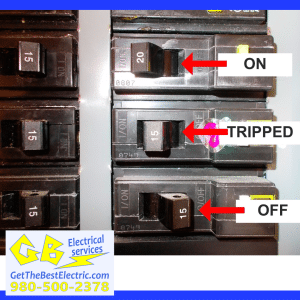
1. The first step is to locate the circuit breaker panel in your home, the panel could be located outside or inside the garage, laundry room or kitchen. When a circuit trips, the corresponding switch will be in the middle or OFF position.
2. Push the Switch to the “OFF” Position: Move the tripped switch to the “OFF” position before attempting to reset it. This ensures a clean reset. It is normal for the breaker to feel stiff when going from the tripped position to the OFF position.
3. After waiting a moment, push the switch firmly to the “ON” position. If it resists, do not force it. Instead, contact a qualified electrician for further assistance.
Potential Consequences of Persistent Tripping:
1. Fire Hazard: A continuously tripping circuit may indicate an overload or a short circuit, both of which can pose a fire hazard if left unaddressed.
2. Appliance Damage: Persistent tripping can damage sensitive electronic devices and appliances, leading to costly repairs or replacements.
3. Electrical System Strain: Over time, constant tripping can strain your electrical system, reducing its efficiency and potentially leading to more extensive issues.
Safety Tips:
• Finding yourself unsure about resetting a circuit breaker or if it continues to trip frequently, consult a licensed electrician.
• Regularly inspect your electrical system for signs of wear, damaged outlets, heat or exposed wires.
• Avoid overloading circuits with too many devices.
In conclusion, while resetting a circuit breaker is a simple task, understanding the potential consequences of persistent tripping is crucial. Prioritize safety, and if issues persist, seek professional guidance to ensure the integrity of your home’s electrical system.
Understand more about your Electrical Panel/ Breaker Box by watching this short video by the Electrical Safety Foundation.