
When it comes to electrical safety, two key devices often discussed are Ground Fault Circuit Interrupters (GFCI) and Arc Fault Circuit Interrupters (AFCI). While both are crucial for safeguarding your home, they offer different types of protection and are designed to address distinct electrical hazards.
GFCI and AFCI – What’s the Difference?
GFCI Outlets protect you against electrical shocks by monitoring the current flowing through a circuit. They detect imbalances between the hot and neutral wires, which can indicate a ground fault—such as electricity leaking to the ground through a person. If a ground fault is detected, the GFCI outlet rapidly cuts off the power, significantly reducing the risk of electric shock or electrocution. GFCIs are essential in areas prone to moisture, such as bathrooms, kitchens, and outdoor spaces, where the risk of ground faults is higher.
AFCI Outlets focus on preventing electrical fires. They detect dangerous arcing conditions—unintended electrical discharges caused by damaged wires, loose connections, or faulty appliances. Such arcs can generate extreme heat and potentially ignite nearby combustible materials, leading to fires. AFCI outlets are designed to identify these dangerous arcs and shut off the circuit before a fire can start, providing crucial fire prevention.
Arc Fault Breakers are a key component of AFCI protection. Unlike AFCI outlets, which are installed at specific locations, AFCI breakers are installed in your electrical panel and provide protection for entire circuits. They monitor the circuit for arc faults throughout its length, including the wiring within walls and ceilings. This comprehensive coverage is particularly effective in detecting and mitigating arc faults that occur in hidden or hard-to-reach wiring, enhancing overall fire safety throughout the home.
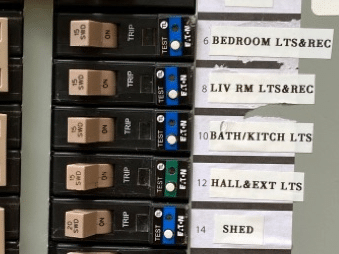
Here’s a reminder on how to reset your breakers. Resetting Circuit Breakers – GB Electrical Services (getthebestelectric.com)
In summary, GFCI outlets protect against electrical shocks, making them ideal for wet or damp areas, while AFCI outlets and breakers are designed to prevent electrical fires by detecting dangerous arcing conditions. Installing both types of devices as part of a comprehensive safety plan—GFCIs in moisture-prone areas and AFCIs throughout the home—ensures a safer living environment.
More about AFCIs from the Electrical Safety Foundation! AFCIs: Protecting Your Home From Fires – Electrical Safety Foundation (esfi.org)
Always consult with a licensed electrician to ensure proper installation and compliance with current safety codes and standards.